






Stunning Visuals for your Needs
Top 3D Animation Studio
More than just mobile app development, we have a 3D animation studio that offers expertise in various animation services to create engineering, medical, educational, and promotional materials that aren’t only visually stunning but realistically animated and rendered. Close communication between our animation studio in Boston and our clients ensures that the final product fully realizes the project’s initial vision.
Professional animation services have many useful applications, from technical diagrams to cartoons and movies. Something as simple as a company’s logo elevates its visual fidelity when rendered with stunning 3D animation. A technical demo included as part of a presentation, embedded video, or explainer reel can quickly and effectively illustrate the benefits of a product. Zco’s animation specialists and digital artists will bring your idea to life, whether for entertainment or commercial purposes.
Custom Animation for Games & Videos
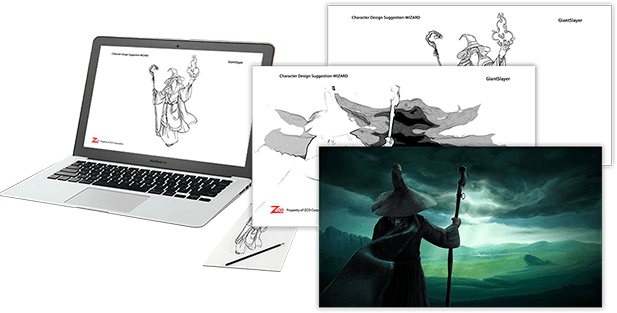
Zco brings both technical mastery and classical artistic sensibilities to our 2D and 3D animation projects: whether it’s the polished chrome of a vintage automobile, the intricate workings of your innovative product, or the shaggy fur of an alien beast. We have a proven track record of putting meticulous detail into the content we design and produce for our clients.
Our 3D Animation Technologies
Maya
Often referred to as the industry standard tool for 3D models and animation, Autodesk’s Maya is behind some of the entertainment industry’s most recognizable TV shows, movies, and video games. Its ability to help our animation studio dynamically simulate physics and materials brings a lifelike feel to characters and animals rendered in Maya.
Blender
Blender is a powerful open source tool used for 3D modeling, animation, and high-quality model rendering. While a complex tool to master, our teams have extensive experience working within Blender’s environment.
Blender
Blender is a powerful open source tool used for 3D modeling, animation, and high-quality model rendering. While a complex tool to master, our teams have extensive experience working within Blender’s environment.
Zbrush
Zbrush empowers animators and sculptors to create technically stunning models and images. Our artists can leverage the software’s power to create everything from space stations to dynamically lit forests and caves and other 3D environments. It’s well-suited for allowing artists to produce content in a natural manner.
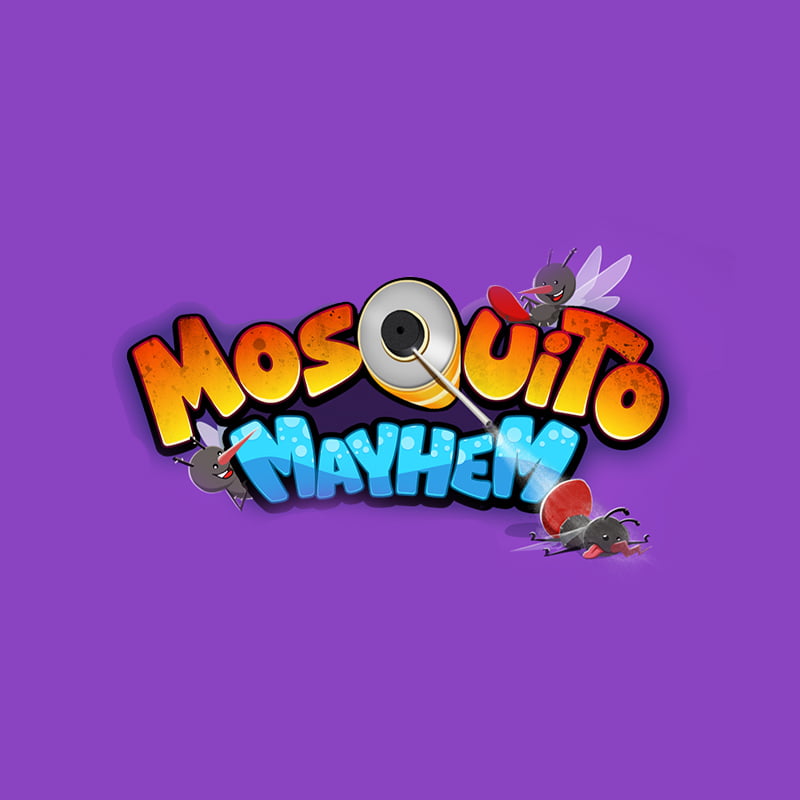
Mosquito Mayhem
Featured Client Project
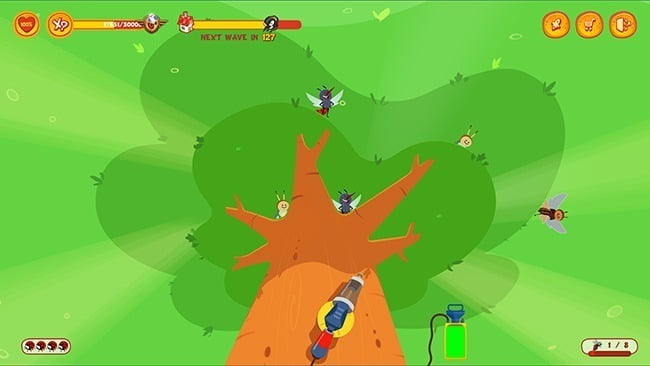
Mosquito Mayhem is a 2D game that teaches you how to take down mosquitos like a citronella candle on steroids. The graphics were designed from the ground up to be colorful, crisp, clean, and fun. The addition of smooth animations and gameplay make it a great game for people of all ages, whether you have a vendetta against the little nippers or not.
Get A Quote for Art & Animation
Let’s discuss your project! Just fill out the form below or call 603.881.9200.
Why Choose Zco?
View Our Portfolio