

Custom Mobile App Development Services
Zco Corporation is a US-focused mobile app development company specializing in custom iOS, Android, and AI-powered mobile applications. With extensive experience delivering mobile solutions for startups, enterprises, and healthcare organizations, Zco provides end-to-end services including strategy, UI/UX design, development, AI integration, and deployment.






What Does a Custom Mobile App Development Company Do?
A custom mobile app development company designs and builds applications that are tailored to a specific business need—rather than using off-the-shelf software or templates. At Zco, that means:
Translating business requirements into technical solutions
Designing intuitive user experiences (UX/UI)
Developing secure, scalable mobile applications
Integrating APIs, back-end systems, and third-party services
Testing, launching, and maintaining apps post-deployment
We don’t just write code—we solve business problems with mobile technology.
Already built your app with AI? Catch potential problems before your users do.
More teams are using vibe coding to get mobile apps off the ground fast, and it works. The catch is that AI-generated code can carry problems you won’t see in a demo. They can leave behind security vulnerabilities, performance bottlenecks, and scalability issues that may not show up until real users are on the app.
At Zco, our mobile engineers read through your AI-generated code, identify security and performance risks, and address architectural weaknesses. You go from a working prototype to an app you can launch with confidence, without rebuilding from scratch.
Your AI-built app is a start. We’ll help make it ready for real-world demands.
Mobile App Design and Development Services We Offer
Our custom mobile software development services have you covered from design and execution to continuous post-launch support. Whether you’re targeting a specific platform, need hardware to software integrations, or require AI development, we have the expertise to build smart apps that will deliver measurable business impact.
Native iOS App Development
Transitioning from Objective-C to setting new benchmarks with Swift, we have consistently refined our native iOS app development services to meet the demands of the dynamic market. Whether for the latest iPhone, iPad, Apple Watch, or Vision Pro, our Swift UI developers have the expertise to build custom mobile apps that push boundaries and redefine user expectations.
Native Android App Development
At Zco, we specialize in building native Android apps using Kotlin and Java-based technologies. With Android powering the largest global user base, we ensure our android app development services help your app reach more people, deliver seamless experiences across various devices, and stand out with features that truly matter.
Native Mobile App Development
Our native mobile app development services ensure your app delivers the maximum functionalities while making the most of device-specific features like GPS, Bluetooth, and more. Whether you’re a startup or an enterprise, we tailor every solution to your platform requirements. By leveraging specialized APIs, the latest IDEs, and advanced programming languages, we build native apps that achieve exceptional speed, performance, and reliability across devices.
Hybrid App Development (Cross-Platform)
Utilizing our expertise in React Native, Maui, Flutter, and other hybrid technologies, we design compelling web and mobile apps that can flawlessly excel on multiple platforms. With a blend of mobility and cross-platform compatibility, our custom hybrid app development services are ideal for clients looking to expand their app’s reach and enhance user engagement.
Progressive Web App Development (PWAs)
Progressive Web Apps let your app run like a native app, but directly through a web browser. Our custom PWA solutions are enterprise-ready, device-agnostic, and works across devices without downloads. By leveraging HTML 5, CSS, and JavaScript, our app development experts excel at creating immersive app-like experiences that run smoothly on any browser while reducing barriers for your users.
Key Integrations for Custom App Design & Development
Zco specializes in crafting comprehensive app experiences by integrating the perfect features that can boost your app’s performance. With our expertise, your users will love exploring everything your app has to offer.

Database
Equip your app with the perfect database for lightning-fast data retrieval, seamless request processing, top-notch threat detection, and smooth communication with other databases.
Third-Party APIs
Save time and enrich your app functionalities by integrating APIs. Tap into a vast array of external features without the hassle of developing them from scratch.
AI & Advanced Technologies
Go beyond standard features by integrating with advanced AI, ML and NLP models. Turn your app into a dynamic asset that can learn, adapt and predict to deliver hyper-personalized user experiences.
Bluetooth
Achieve seamless integration with low-energy wireless data transmission from your app, ensuring optimal compatibility with multiple Bluetooth devices within its ecosystem.

Augmented Reality
Create a visually enticing app experience by using facial, voice, and gesture recognition technology to transform how users interact with your app and their environment.

Virtual Reality (VR)
Stay ahead of the trend and uncover new arenas of possibilities through heightened interactions and immersive experiences.

IoT
Personalize experiences and detect vulnerabilities through precise analytics derived from your phone’s sensor data.

HealthKit
Create collaborative experiences by managing, merging, and tracking health and fitness data on iPhone and Apple Watch.
Our Mobile App Development Process
In-Depth Assessment
Our Account Executive/ Project Manager will work with you to determine the scope of your project and develop a plan of action. This marks the beginning of the project followed by an in-depth assessment of your project’s requirements and its software lifecycle.
Technical Requirements
Our team of custom mobile app development experts will assess your app’s security and encryption needs, evaluate requirements for database and cloud solutions, estimate the cost to make your app, and ensure smooth integration with your current systems.
Agile Development
Through agile software development, your project is built over several iterative cycles. New builds are shared with you at regular intervals to gather feedback and integrate your recommendations into the project.
Quality Assurance
Throughout active software development, our QA teams rigorously test the app for usability, compatibility, performance, and security, diligently identifying and eliminating any bugs found. When the software is rolled out to your user base, rest assured it will be ready for prime time.
Deployment
At the end of the QA process, your app is deployed and made available on its platform’s respective marketplace for public use. From here you can promote your app, get its first users, and grow your business.
Continuous Improvement and Support
Post deployment, our app development experts keep your app on track with the latest updates and bug fixes, expanding app functionalities with changing user preferences and business requirements.
Featured App
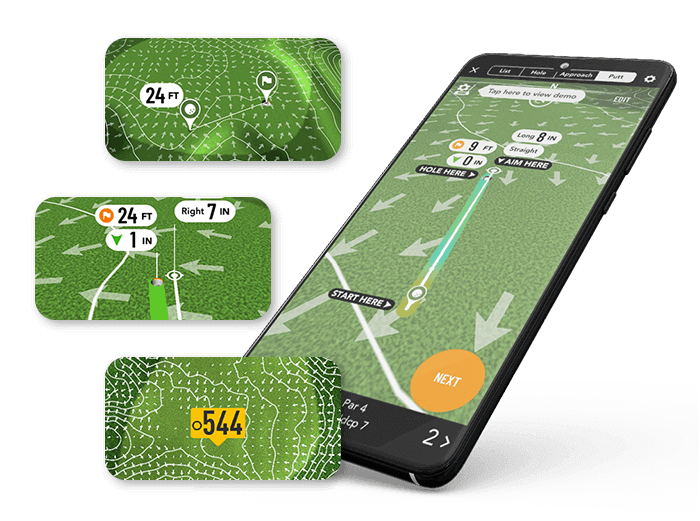
Golflogix: The Most Downloaded App in Golf
- Highly Accurate GPS Distances
- Over 35,000 Courses Mapped
- Putt Lines and 3D Approaches
As the pioneers of Golf GPS apps for the past 20 years, over 5 million golfers all around the world continually trust GolfLogix for exact GPS distances, full-color 3D course maps, 4-player scoring, pro-level stats, handicap tracking, and discounted tee times.
Featured App
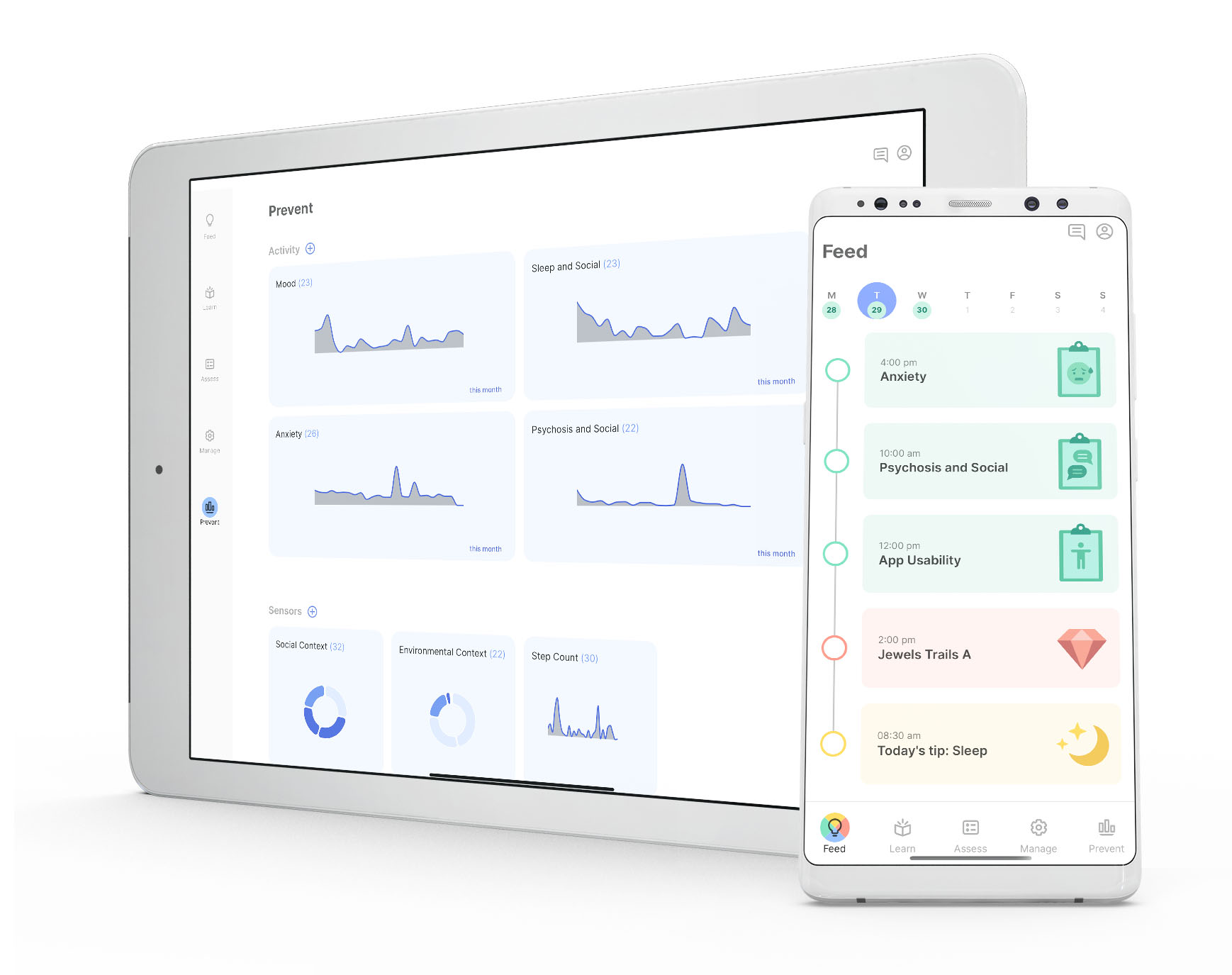
mindLAMP: Neuropsychiatric Research App
For Beth Israel Deaconess Medical Center
For Beth Israel Deaconess Medical Center
- Monitor mental health with real time surveys & brain games
- Collects Apple HealthKit data like step count and heart rate
- Security meets or exceeds HIPAA requirements
The concept for LAMP was developed by researchers who wanted a better way to record the symptoms of patients participating in mental health clinical trials. The app’s creators wanted to take advantage of the fact that most people own smart devices capable of recording and uploading data about their symptoms.
Featured App
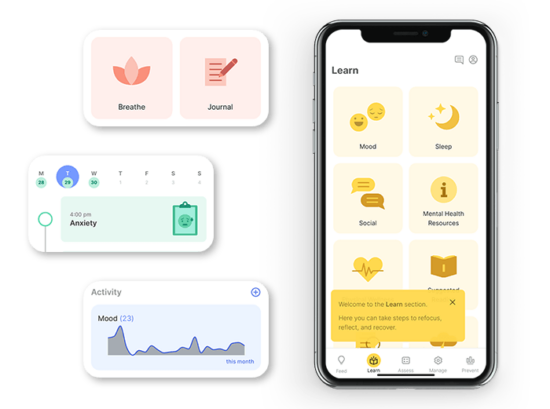
mindLAMP: Neuropsychiatric Research App
For Beth Israel Deaconess Medical Center
For Beth Israel Deaconess Medical Center
- Monitor mental health with real time surveys & brain games
- Collects Apple HealthKit data like step count and heart rate
- Security meets or exceeds HIPAA requirements
The concept for LAMP was developed by researchers who wanted a better way to record the symptoms of patients participating in mental health clinical trials. The app’s creators wanted to take advantage of the fact that most people own smart devices capable of recording and uploading data about their symptoms.
AI-Powered Development
Faster Delivery, Lower Costs
At Zco Corporation, AI is embedded into every stage of our development process and our customers feel the difference. We consistently achieve 20-40% reductions in development time, cut design effort by roughly 40%, and deliver higher-quality code with fewer post-deployment issues.
From resolving complex performance issues in hours to generating comprehensive test coverage automatically, AI is a force multiplier for our teams and a direct cost savings for you.
Our Frameworks and Databases
- Swift
- Kotlin
- Xamarin/Maui
- React Native
- Flutter
- Objective C
- Python
- Java
- React
- NodeJS
- .NET Core
- Blazor
- Go
- MongoDB
- SQL
- jQuery
- JavaScript
- AWS
- AJAX
- AWS
- ReactJS
- Unity
- PHP
- C#
What Makes Zco Your Ideal Mobile App Development Partner?
For more than 35 years, Zco Corporation, one of the leading mobile app development companies in the USA, has been delivering innovative software solutions to global industries. Our track record and expertise speak volumes about how we’ve helped numerous businesses transform through our custom mobile app development services.
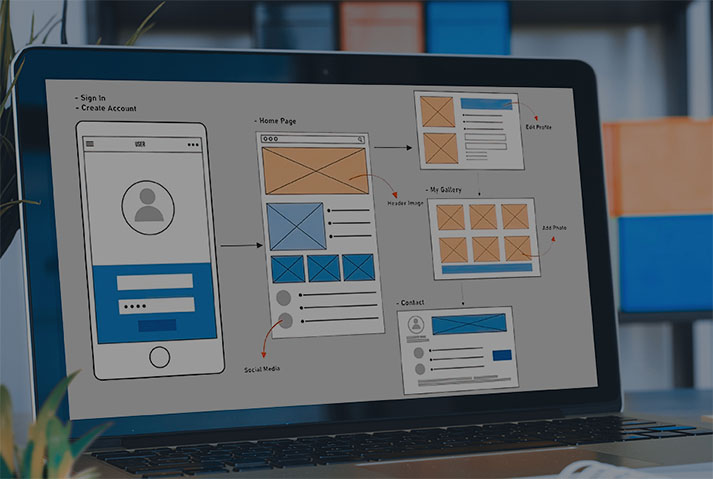
Guided by Experience, Driven by Results

Teams with Decades of Practical Experience
Proven and Reliable Execution Strategy
Faster Time-to-Market
Client Success Stories

GolfLogix
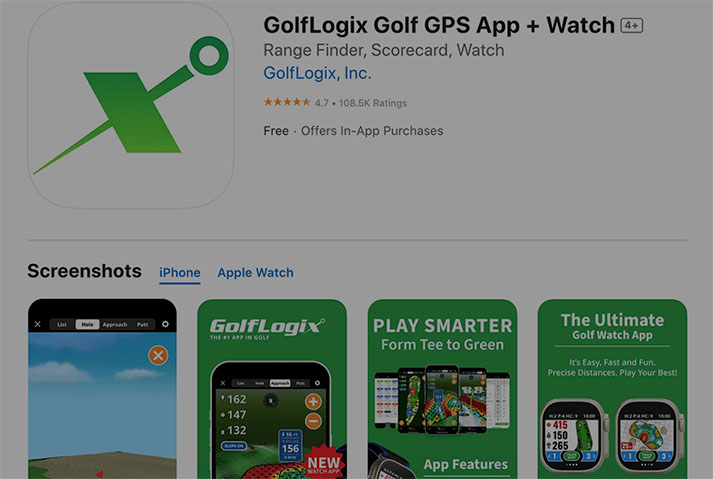
GolfLogix has 5 million users across the globe. Why? Because they continue to evolve the app to exceed the expectations of golfers and set the standard for what a GPS app should be. With Apple Watch support, over 70,000 App Store reviews, and 4.7 star rating, GolfLogix has become a household name in golf.

invisaWear
The idea of fashion accessories that double as safety devices has flourished since invisaWear’s inception. Now, they’ve even collaborated with ADT for even more advanced safety on the go. That means a 24/7 connection to the Safety Network of ADT Security Agents. invisaWear was also featured in an article from Wired.

Advantage4Kids
Advantage4Kids is a math and reading learning system created for Southwestern Advantage. It takes overly complicated school lessons and distills them into individual concepts. With quizzes and over 400 tutorial videos, students achieve goals like never before with Advantage4Kids.
App Design & Development Videos
5 Design Tips for Mobile App User Interfaces
These 5 design tips for mobile app UI will help your users navigate effectively and help your app be a strong brand identity-building tool for your company.
10 Ways To Get an Accurate App Estimate
There are many factors to consider when building an app that will affect the cost. Here are the top 10 ways to ensure an accurate app cost estimate for your business.
5 Design Tips for Mobile App User Interfaces
These 5 design tips for mobile app UI will help your users navigate effectively and help your app be a strong brand identity-building tool for your company.
10 Ways To Get an Accurate App Estimate
There are many factors to consider when building an app that will affect the cost. Here are the top 10 ways to ensure an accurate app estimate for your business.
Insights From Our Blog

Frequently Asked Questions
Zco develops native iOS and Android apps, hybrid apps, and progressive web apps (PWAs) to meet varying business needs and budgets.
Depending on complexity, a custom mobile app typically takes 3 to 9 months from concept to launch when developed with agile methodology.
Zco uses technologies like Swift, Kotlin, React Native, Flutter, cloud platforms (AWS, Azure), and integrates APIs, IoT, AR/VR capabilities.
Yes — Zco can integrate mobile apps with wearables, Bluetooth devices, IoT sensors, and external hardware for enhanced user experiences.
Absolutely — Zco provides ongoing maintenance, feature updates, performance monitoring, and version upgrades after launch.
Zco serves multiple industries including healthcare, logistics, entertainment, retail, and finance, tailoring apps to each sector’s requirements.
Zco follows a structured process: assessment, design, development, QA testing, deployment, and continuous improvement to align with both business and user needs.
Hybrid apps and PWAs allow faster development and cross-platform compatibility while offering near-native functionality, making them cost-effective for some use cases.
Yes — Zco manages the entire deployment process including App Store and Google Play submissions, compliance, and post-launch support.
Zco uses secure architecture, encryption, access controls, and follows industry best practices to protect data, support scalability, and ensure compliance.
Ready to Build Your Mobile App?
If you’re looking for a mobile app development partner who understands both technology and business outcomes, Zco is ready to help. Let’s discuss your idea, timeline, and goals—and determine the best path to launch.